Pre-Symposium Excursion

Into the Wild West: Discovering hidden protected areas of NW Iberia

From Monday, 15 June to Saturday, 20 June 2026

Guides: Borja Jiménez-Alfaro, Luis Carlón, Adrián Lázaro-Lobo and Jorge González Le Barbier 

Reservations for the pre-symposium excursion will open on 1 January 2026, alongside early registration. Seats will be available exclusively to registered participants and allocated on a first-come, first-served basis until full.

Description
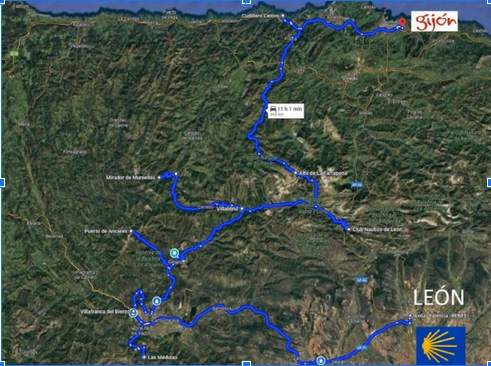
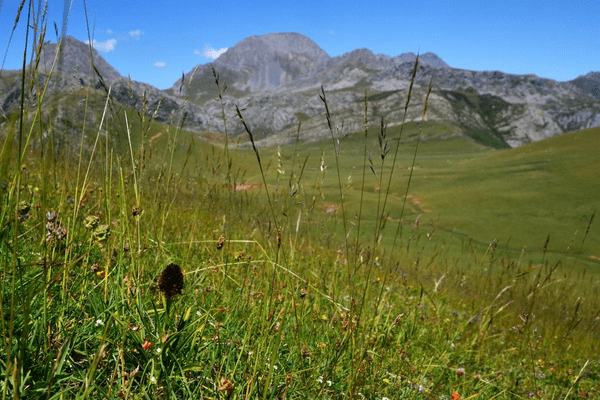
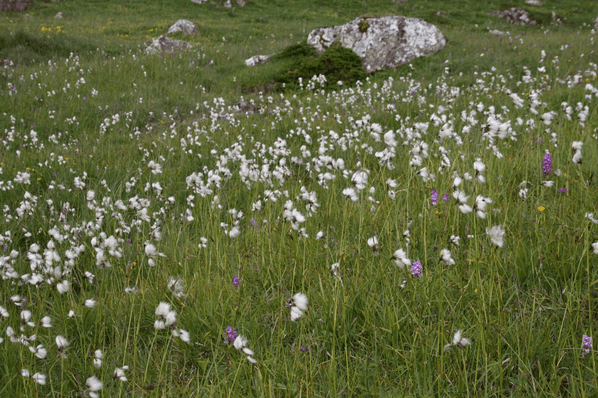
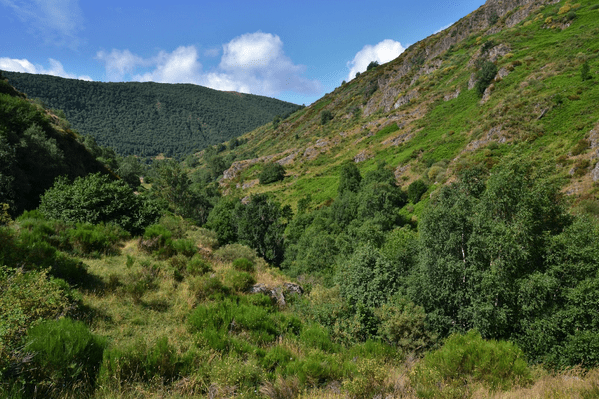
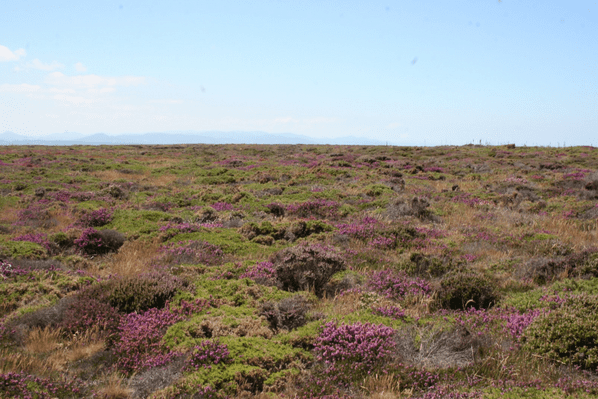
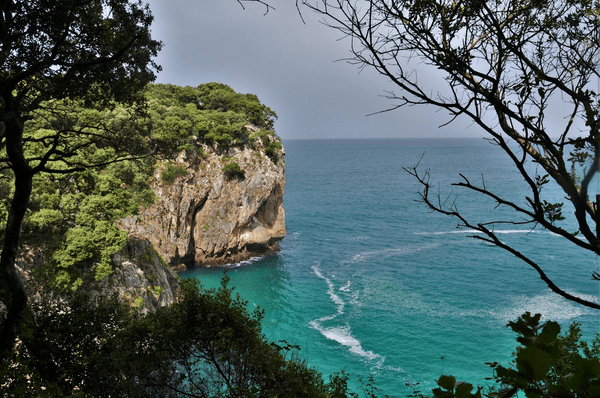
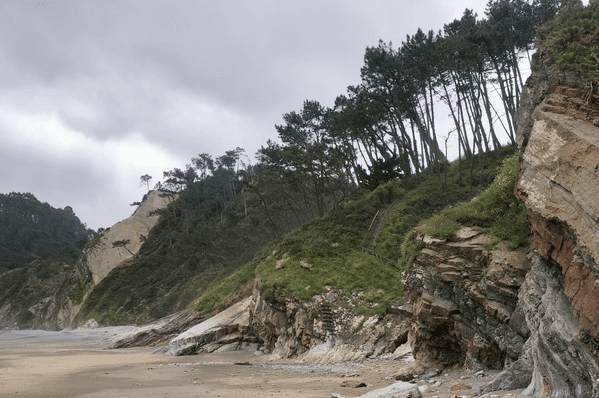
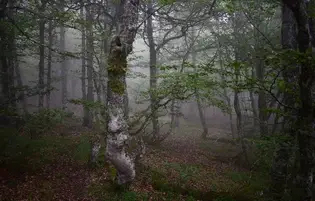
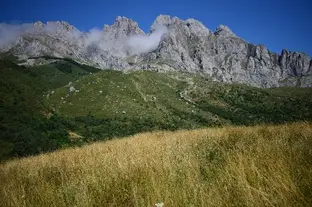
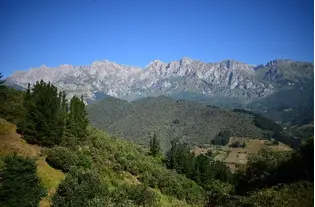
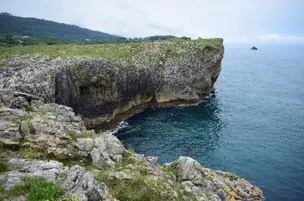
The pre-symposium botanical excursion will set off from the historic city of León on 15 June, embarking on a journey through one of the most ecologically diverse regions of the Iberian Peninsula, including part of the Camino (Santiago´s way). Over six days, participants will traverse a striking climatic and biogeographic gradient—from the dry, sunlit continental Mediterranean ecosystems of the northern Plateau to the lush, moisture-rich Atlantic landscapes of the Cantabrian coast—. This immersive itinerary offers a rare opportunity to observe the floristic transitions shaped by altitude, geology, and climate, including beech, oak and juniper woodlands, mixed forests, montane meadows, peat bogs, and coastal heathlands. Along the way, we’ll explore botanical hotspots and protected areas that harbour endemic and threatened plant species. together with relict populations of brown bears (Ursus arctos) and Western capercaillies (Tetrao urogallus)—symbols of the region’s wild heritage. In addition to fieldwork and ecological interpretation, the program includes cultural visits and gastronomical experiences featuring local cuisine and traditional mountain fare.

Itinerary

Day 1 (15 June) – The Santiago´s way

Meeting point in León at 10:00h

  • Continental Oak-olm woodlands
  • Vineyard landscapes (El Bierzo)
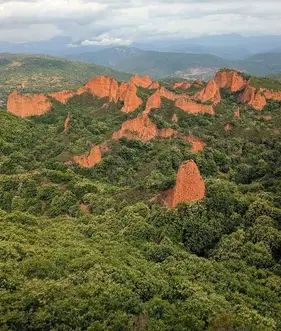
  • Las Médulas World Heritage (roman mining landscapes, El Bierzo) and the impact of forest fires

Accommodation in Villafranca del Bierzo, León

Day 2 (16 June) – Acidophilous vegetation

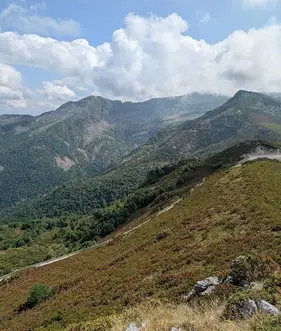
  • Mountain Heathlands (Ancares Biosphere Reserve)
  • Submediterranean oak forests (Ancares Biosphere Reserve)
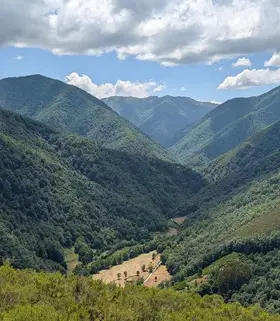
  • Betula celtiberica and Ilex aquifolium woodlands (Omaña-Sil Biosphere Reserve)

Accommodation in Murias de Paredes, León

Day 3 (17 June) – Atlantic forest reserves

  • Introduction to Muniellos Biosphere Reserve (integral reserve)
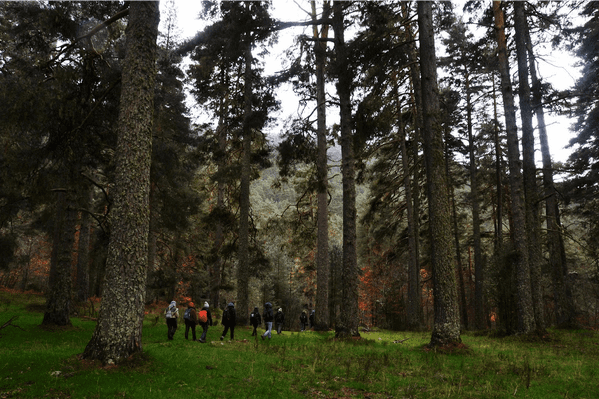
  • Muniellos forest: the largest Quercus petraea formation in W Europe
  • Fagus sylvatica forests and mountain pastures (Fuentes del Narcea, Degaña and Ibias Natural Park)

Accommodation in Posada de Rengos, Asturias

Day 4 (18 June) – Calciphilous vegetation

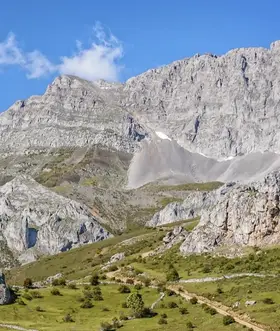
  • Subalpine landscapes in Babia Biosphere Reserve
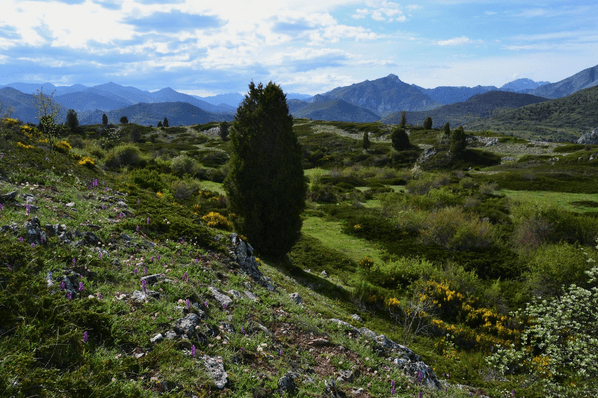
  • Juniperus woodlands in Omaña-Luna Biosphere Reserve
  • Hay meadows in Babia Biosphere Reserve

Accommodation in San Emiliano, León

Day 5 (19 June) – Unexpected landscapes

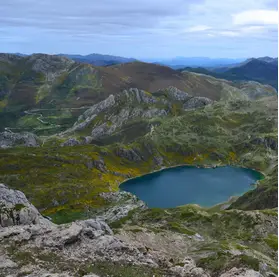
  • Glacial lakes in Somiedo Biosphere Reserve
  • Forest diversity and spring fens in Somiedo Biosphere Reserve
  • Cantabrian mixed forests and chestnut culture in Asturias

Accommodation in Cudillero, Asturias

Day 6 (20 June) – Protected coastal landscapes

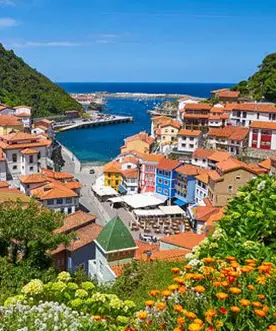
  • Fishermen villages and anthropogenic landscapes
  • Coastal ecosystems
  • Hyperoceanic Atlantic bogs

Arrival to Gijón/Xixón at 18:00h

Mid-Symposium excursions

24 June (conference mid-day)

Included with registration 

The organization will offer eight tours to visit major ecosystem types of NW Spain, with support of local experts to interpret dominant vegetation and flora.

PINION (mountain)

Guides: Eduardo Fernández-Pascual, Jose V. (Pipo) Roces-Díaz and Pedro Álvarez 

Main destination: forests of the Cantabrian Mountains along an altitudinal gradient, including Iberian silicicolous Pinus sylvestris forests, one of the few remnants of Pinus sylvestris stands in the region. We will visit deciduous broadleaf forests and anthropogenic mountain landscapes in Redes Natural Park, including Atlantic acidophilous Fagus forests,  Mixed forests on acid soils and eutrophic mixed forests. 

JUNIPERION (mountain)

Guides: Ángel Argüelles-Longo and Alicia Valdés

Main destination: Relict Spanish Juniperus thurifera forests (sabinares), occupying shallow calcareous soils in the southern face of the Cantabrian mountains (province of León), with associated endemic Iberian and Cantabrian flora.

We will also visit Acidophilous Quercus pyrenaica forests (Miñera de Luna, next to the sabinar), Pyreneo-Cantabrian neutrophile Fagus Forests and basophilous shrub vegetation, such as Genista hispanica scrublands (Geras de Gordón).

ARMERION (mountain)

Guides: Borja Jiménez-Alfaro and Clara Espinosa del Alba 

Main destination: Closed calciphile subalpine grasslands and related semi-natural calcareous grasslands close to “Peña Ubiña”, the second-highest calcareous massif in the Cantabrian Mountains. During the trip, we will also visit Genista obtusiramea fields.  Endemic flora occupying Oro-Cantabrian calcareous cliffs, and Cantabrian neutro-basophilous fens, often transformed into Atlantic and sub-Atlantic humid pastures. 

(IMPORTANT: this is a mountain hike that requires good physical fitness, involving sustained walking on steep/rocky terrain for c. 8 kms)

PINGUICULION (mountain)

Guides: Víctor González-García and Jorge González Le Barbier 

Main destination: Cantabrian neutro-basophilous fens around the glacial lakes of Saliencia, in Somiedo Natural Park (Asturias). We will also visit multiple mountain habitats rich in endemic flora, like Genista hispanica scrublands, Oro-Cantabrian calcareous cliffs, or Juniperus communis subsp. alpina scrub on non-acid soils. 

(IMPORTANT: this is a mountain hike that requires good physical fitness, involving sustained walking on steep/rocky terrain for c. 8 kms) 

BETULION (mountain)

Guides: Alberto Luis Cantoral González, Jose M. Álvarez-Martínez

Main destination: Montane Betula celtiberica forests in the Omaña Valley (León province), representing the largest birch forests of the Cantabrian Mountains and among the best-preserved examples of the habitat type in the Iberian Peninsula. During the excursion, we will explore the diversity of the Cantabrian Mixed Forest ecoregion, exploring a gradient from Atlantic Northwestern Iberian holm-oak forests to sub-Mediterranean Pyrenean oak woodlands like Quercus pyrenaica forests, and related landscapes occupied by Erica heaths and Genista florida fields that form one of the last refugia of the Cantabrian capercaillie (Tetrao urogallus cantabricus) and a core habitat of the Cantabrian brown bear (Ursus arctos).

(IMPORTANT: this excursion involves moderate walking on mountain trails and uneven terrain for approximately 5–6 km)

DABOECION (Coastal)

Guides: Tomás E. Díaz González and Adrián Lázaro-Lobo 

Main destination: Atlantic Erica-Ulex heaths in the Protected Landscape of Cabo Peñas, the northernmost point of Asturias. We will visit anthropogenic landscapes dominated by coastal unbroken pastures, with remnant patches of Iberoatlantic Laurus forests and coastal high maquis. The area holds one of northern Spain’s best-exposed Paleozoic geological formations, with impacting sea cliffs and Atlantic coastal dunes and sandy shores in Xagó, one of the largest dune systems in the Cantabrian Sea, with examples of restored

LAURION (Coastal)

Guides: Javier Loidi and Giacomo Trotta 

Main destination: Iberoatlantic Laurus forests and related vegetation on the eastern coast of Asturias (Llanes). This area is characterized by coastal limestones and relatively well-preserved Mediterranean-like vegetation, including relict Northwestern Iberian holm-oak forests dominated by Quercus ilex subsp. ilex at their westernmost distribution limit, Atlantic sea-cliff communities, and Atlantic mid-low saltmarshes. The route includes stunning views of cliffs, beaches, and local architecture. 

SPHAGNION (Coastal)

Guides: Luis Carlón and Marta Pérez Suárez

Main destination: Iberoatlantic blanket bogs in Las Dueñas (Asturias), one of the few examples of surviving bogs in the northwestern Iberian Peninsula. The excursion will include a walk through the protected coastal landscapes of western Asturias, visiting acidophilous ecosystems like Atlantic Erica-Ulex heaths, remnants of Pinus pinaster subsp. atlantica forests, well-preserved riverine habitats such as Alnus swamp forests not on acid peat, and anthropogenic vegetation with exotic and invasive species.

(IMPORTANT: this route requires certain physical fitness, involving sustained walking on steep/rocky terrain for c. 4 kms).

Post-symposium Excursion

Surf to Summit: Picos de Europa and the eastern Asturias coast

From Saturday, 27 June to Thursday, 2 July 2026

Guides: Eduardo Fernández-Pascual, Clara Espinosa del Alba, Víctor González-García y Ángel Argüelles-Longo

This activity is NOT included with registration. The estimated cost of the excursion is approximately €750 per person. This includes transportation, accommodation in a shared double room, and field lunches. Please note that dinners are not included.

Description
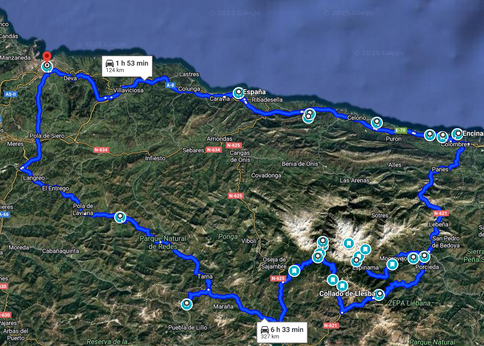
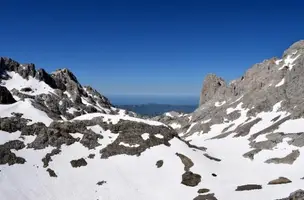
Join us for a post-symposium excursion into the heart of the Picos de Europa, Spain’s oldest National Park and a biodiversity hotspot of the Iberian Peninsula. This journey will take us across a stunning gradient of landscapes—from relict pine forests to subtropical coastal enclaves shaped by Atlantic mists. We will explore the full diversity of Iberian-Atlantic ecosystems: deciduous and evergreen forests; Atlantic heathlands and Iberian retamoid scrubs; hay meadows and alpine grasslands; raised bogs and calcareous fens; coastal cliffs, dunes and marshes. Along the way, we’ll also encounter traces of human history embedded in the landscape: traditional wolf traps, tidal mills, and centuries-old monasteries. Evenings will be spent in charming medieval towns and mountain lodges, where we’ll enjoy local cuisine.

Itinerary

Day 1 (27 June) – Mountain Forests in Redes & Mampodre-Riaño Natural Parks

Meeting point in Gijón/Xixón at 9:00h

  • Acidophilous mixed forests 
  • Atlantic heathlands
  • Relict pine forests
  • Beech forests
  • Bogs & fens

Accommodation in Posada de Valdeón, León

Day 2 (28 June) – Valleys & Pastures in Valdeón Valley, Picos de Europa

  • Basophilous mixed forests
  • Afro-Iberian thermophilous forests
  • Hay meadows
  • Endemic willow thickets
  • Retamoid scrub
  • Acidophilous alpine grasslands

Accommodation in Potes, Cantabria

Day 3 (29 June) – Mediterranean Forests in Liébana Valley, Picos de Europa

  • Acidophilous holm oak forests
  • Basophilous holm oak forests 
  • Cushion scrubs and dry grasslands
  • Subalpine pastures

Accommodation in Áliva, Cantabria

Day 4 (30 June) – Alpine Summits in the Central Massif of  Picos de Europa

  • Calcareous alpine grasslands, full day hike with less-demanding alternative

Accommodation in Áliva, Cantabria

Day 5 (1 July) – Vegetation of Eastern Asturias Coast

  • Coastal holm oak forests
  • Cliffs
  • Tidal marshes 

Accommodation in Llanes, Asturias

Day 6 (2 July) – Subtropical Hotspots in Eastern Asturias Coast

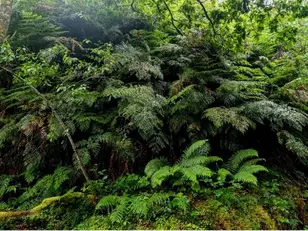
  • Riparian forests with subtropical ferns 
  • Beaches and dunes 

Arrival to Gijón/Xixón at 18:00h